
YouTube Video Ideas: 60 Concepts That Still Work in 2026
60 YouTube video ideas organized by goal — search traffic, suggested feed, authority — with the formats and niches each idea fits.
Key Takeaways
- 60 distinct video ideas across four goals — search traffic, suggested feed, authority/trust, and recurring series — sorted by what each idea is for, not by niche.
- YouTube tracks 7 separate traffic-source categories (Search, Suggested, Browse, External, Playlists, Notifications, Direct) — most creators only ever plan for one of them.
- Search-traffic ideas compound for years; suggested-feed ideas spike and fade in weeks. Mismatch the idea to the goal and you’ll misjudge a video that was never built to behave the way you expected.
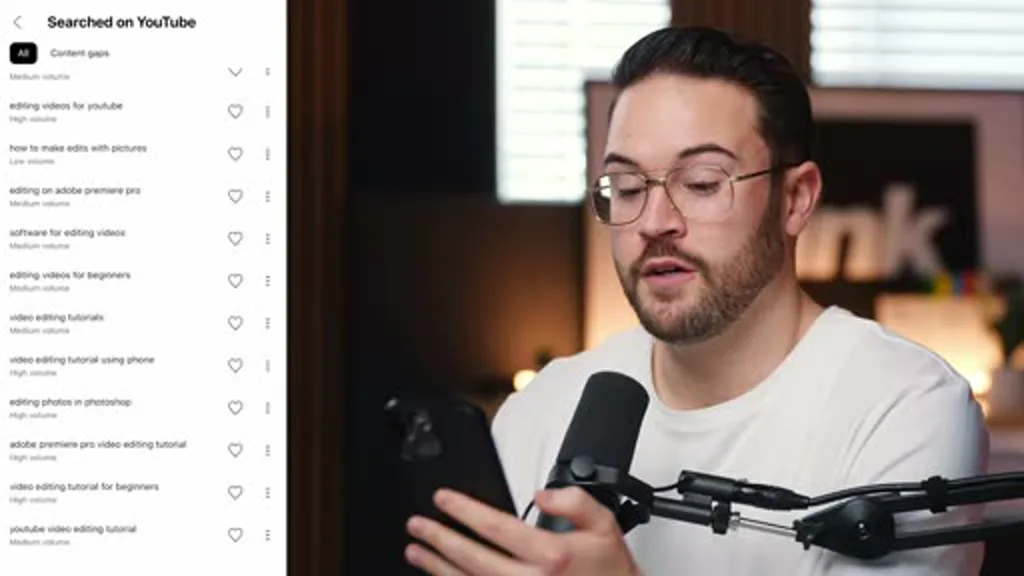
- Real example: Think Media’s Sean Cannell mines the exact viewer comment “how do you use the camera to live stream” straight into a search-traffic video — the audience hands you the keyword.
- Starting February 1, 2027, new YouTube Partner Program applicants need 8,000 watch hours — double today’s 4,000 — one more reason evergreen search-traffic ideas matter more this year than last.
Open any list of “youtube video ideas” and you’ll find the same problem: a hundred bullet points with no logic connecting them. A recipe walkthrough sits next to a 24-hour survival stunt sits next to a Q&A. They’re all technically video ideas. They earn views through completely different mechanisms, though — one because someone typed a question into a search box, the other because someone was scrolling and got interrupted. Treat them the same and you’ll burn a week’s production budget on an idea engineered for the wrong traffic source.
This page assumes you already have a channel live and publishing. If you’re still setting one up, start with how to start a faceless YouTube channel. If the channel exists but you haven’t landed on what it’s about, that’s faceless YouTube channel ideas or, if the sticking point is the niche itself, best niche for YouTube. What follows is 60 ideas at the video level, for a channel that’s already running, split into the four jobs a single upload can actually do: rank in search, get suggested to a stranger, build trust with people already watching, or turn into a series someone comes back for.
What actually decides whether an idea works
7
Traffic-source categories YouTube tracks per video
1.3M
Videos in Backlinko's independent ranking-factor study
4,000 → 8,000
YPP watch-hours required, today vs. Feb 2027
60
Distinct video-idea concepts in this guide, by goal
Sources: YouTube Help — Understand your video reach · Backlinko — YouTube SEO ranking-factor study
Why youtube video ideas need a goal before they need a niche
YouTube’s own analytics split every view into one of seven traffic sources: YouTube Search, Suggested videos, Browse features (home, subscriptions, Trending), External, Playlists, Notifications, and Direct or unknown. That taxonomy isn’t trivia — it’s the actual mechanism a video idea has to work through to get watched at all, and most “video ideas” lists ignore it completely, treating “get views” as a single undifferentiated goal. It isn’t. A tutorial and a stunt video can post on the same channel the same week and pull views from almost entirely different sources.
YouTube has never published an official benchmark for what a “healthy” split between those sources looks like, and anyone quoting you a precise percentage is guessing — the right mix depends entirely on your format. What you can control is which source a given idea is built for in the first place. Sean Cannell of Think Media (3.5M subscribers) walks through six concrete ways to reverse-engineer that from your own YouTube Studio data — mining the comment section, the Research tab’s search reports, and the Reach tab’s “content suggesting this video” panel. If you haven’t opened those three screens on your own channel, it’s worth the eight minutes before you read the 60 ideas below.
Search-traffic ideas
Written for someone already typing the question
- Ranks in YouTube Search + Google's video carousel
- Slow to take off, slowest to die
- Wins on keyword match, not packaging
Best for: Channels that need traffic to compound while they sleep.
Suggested-feed ideas
Built for someone who wasn't looking for it
- Lives in Suggested videos + Browse features
- Rewards a premise a thumbnail sells instantly
- Spikes fast, fades in weeks without a push
Best for: Channels chasing reach and subscriber growth right now.
Authority & trust builders
Not for views — for belief
- Converts casual viewers into subscribers, buyers
- Views often modest; comment quality is the metric
- The idea type most competitors skip entirely
Best for: Channels turning an audience into a business.
Series formats
The idea that only works as a habit
- Depends on Notifications + Playlists, not one upload
- Each new episode re-activates the back catalog
- Breaks if the cadence breaks — format is the product
Best for: Channels ready to trade flexibility for a returning audience.
15 search-traffic youtube video ideas — written for someone already looking
These ideas exist because a specific phrase gets typed into a search box, on YouTube or on Google, on a predictable schedule. Backlinko’s analysis of 1.3 million videos found audience retention, comments, and click-through rate carry the ranking, but none of that matters if the idea never matches a real query in the first place. Search traffic is the slowest idea type to take off and the slowest to die — a well-matched tutorial from three years ago can still out-earn last week’s upload. For a longer case on why that compounding matters more than a single viral week, see evergreen YouTube content. That compounding is about to matter more, not less: YouTube’s current Partner Program threshold is 1,000 subscribers and 4,000 watch hours, but as YouTube announced on August 10, 2026, new applicants from February 1, 2027 will need double that — 8,000 watch hours. A back catalog of ideas that keeps earning watch time for years is a bigger advantage under that bar than it was under the old one.
- “How to [specific task]” tutorial — matches the literal phrase someone typed, word for word.
- “[Tool A] vs [Tool B]” comparison — captures buyer-intent search from someone mid-decision.
- “Best [product] for [use case]” list — a shopping-intent video that keeps ranking for years.
- “[Exact error message] fix” — owns one literal error string with one authoritative answer.
- “What is [term]” explainer — the first video a total beginner watches on the topic.
- “[Skill] for beginners” starter guide — owns the entry point to an entire topic area.
- “[Task] without [obstacle]” — narrows a broad search into one specific, answerable case.
- Certification or exam study guide — recurring searches tied to a fixed external test calendar.
- Full setup walkthrough, start to finish — ranks for the exact step where people get stuck.
- Step-by-step recipe or DIY build — re-searched every single time someone wants to make it again.
- “How long does [thing] take” — a single-fact query with one authoritative answer.
- Long-term review, months or years later — catches searches that arrive after the honeymoon reviews.
- Glossary series, one term per video — each entry owns its own narrow search on its own schedule.
- Tax, legal, or filing-deadline explainer — a recurring annual spike tied to a calendar date.
- “Is [claim] true” fact-check — captures people searching to verify something they just heard.
“How Do You Use the Camera to Live Stream?”
Pulled directly from a viewer comment with real search demand behind it. Cannell calls the comment section his highest-signal idea source, because the audience is handing you the exact phrase it will type into YouTube.
15 suggested-feed video ideas — built for someone who wasn’t looking
Suggested and Browse traffic don’t start with a query at all — YouTube’s own help documentation defines Suggested as “traffic from suggestions that appear next to or after other videos” and Browse as traffic from the home feed and subscriptions. Nobody searched for these ideas; a thumbnail and title interrupted them mid-scroll. That means the entire idea has to be legible in about one second, with zero prior context, which is why this category rewards stakes, scale, and curiosity gaps over keyword precision. Whether a given idea below plays better as a full upload or gets cut down further is a separate call — see long-form vs. short-form content for that trade-off.
- High-stakes challenge (“I did X for Y days”) — a visual promise a thumbnail sells in one glance.
- Extreme-price comparison (“cheapest vs. most expensive”) — the curiosity gap is built into the premise itself.
- Open-ended experiment — process-driven curiosity; the viewer stays to see the result unfold.
- Money-stakes video (“I spent $X on Y”) — universally legible stakes, no niche knowledge required.
- First-time reaction to something famous — borrows curiosity already attached to a known thing.
- Before/after transformation reveal — a visual payoff a thumbnail can tease without spoiling it.
- “What nobody tells you about [common thing]” — recontextualizes something the viewer already knows.
- Escalating-difficulty format — stacks tension scene by scene toward a final, hardest attempt.
- Time-boxed survival premise — a countdown gives the whole video forward momentum on its own.
- Ranking or tier list of something arguable — invites disagreement in the comments, which the algorithm favors.
- “I asked strangers to [do something]” — people-watching curiosity that needs no topic expertise.
- Investigation with an open loop — a question posed in the first ten seconds the whole video answers.
- Extreme-scale demonstration — a visual superlative that reads instantly, even muted, in a thumbnail.
- Unscripted reaction to real footage — capitalizes on genuine, unrehearsed surprise as the hook.
- High-contrast comparison stunt (“$10 vs $10,000”) — the thumbnail sells the gap, not the topic.
You may have a search-based strategy — but it’s entirely possible to pick up browse and suggested views just by making adjustments to a thumbnail and a title.
— Film Booth, on why traffic-source strategy isn't one-size-fits-all
Film Booth’s full traffic-source breakdown walks through all seven categories on real channel data, if you want to see how a search-first channel and a browse-heavy one actually differ on the same dashboard.
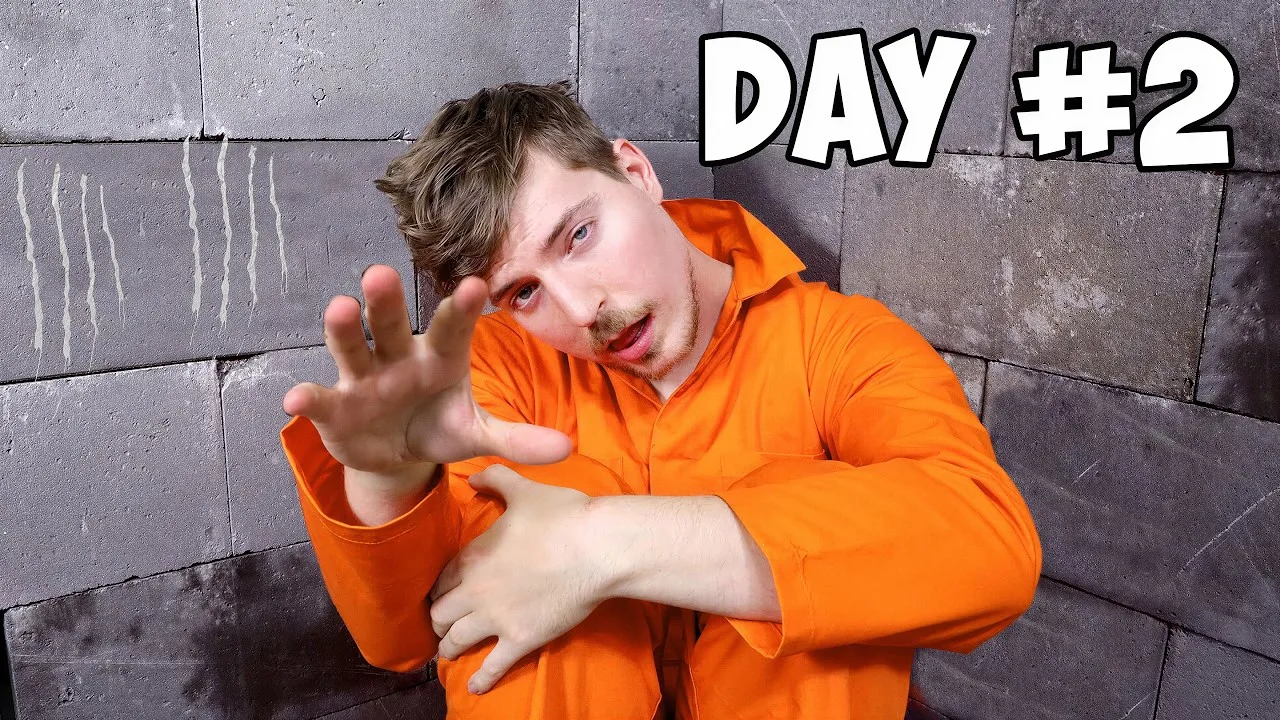
“I Spent 50 Hours In Solitary Confinement”
The whole pitch is legible from the thumbnail alone — no channel context, no niche knowledge, nothing to look up first. That's the entire suggested-feed game in one title.
15 authority and trust-builder youtube video ideas — not for views, for belief
These ideas rarely top a channel’s view chart, and that’s the wrong metric to judge them by. Their job is converting someone who’s already watching into someone who subscribes, replies, or buys — which shows up in comment quality and returning-viewer rate, not raw reach. It’s also the idea type most competitors skip, because it doesn’t scale the way a stunt does. That scarcity is the point.
- Myth-busting a widely believed niche claim — positions the creator as the one who actually checked.
- Testing a competitor's or influencer's claim yourself — “I tried what X said, here's what actually happened.”
- Behind-the-scenes of your own process — the real work behind a polished result builds trust that shortcuts can’t.
- Mistake or failure postmortem — admitting what went wrong reads as more trustworthy than another highlight reel.
- Answering your top comment-section question, on camera — proves you’re actually reading the comments.
- “What I’d do differently” retrospective — signals growth instead of pretending past videos aged perfectly.
- Transparent numbers video — an auditable figure instead of a vague earnings or results claim.
- Expert interview or collaboration in your niche — borrows credibility from someone the audience already trusts.
- Definitive deep dive, longer than anyone else’s — the resource a topic gets known for.
- Explaining your own criteria before a recommendation — shows the reasoning, not just the verdict.
- Responding on-camera to a real criticism — addresses doubt directly instead of pretending it wasn’t said.
- Case study with the process shown, not just claimed — turns a testimonial into visible proof.
- Ask-me-anything or live Q&A recap — direct access reads as trust even when it’s edited down.
- Correcting your own past video with new information — signals the channel is maintained, not one-and-done.
- “Where this doesn’t work” limitations video — the single most underused trust builder in most niches.
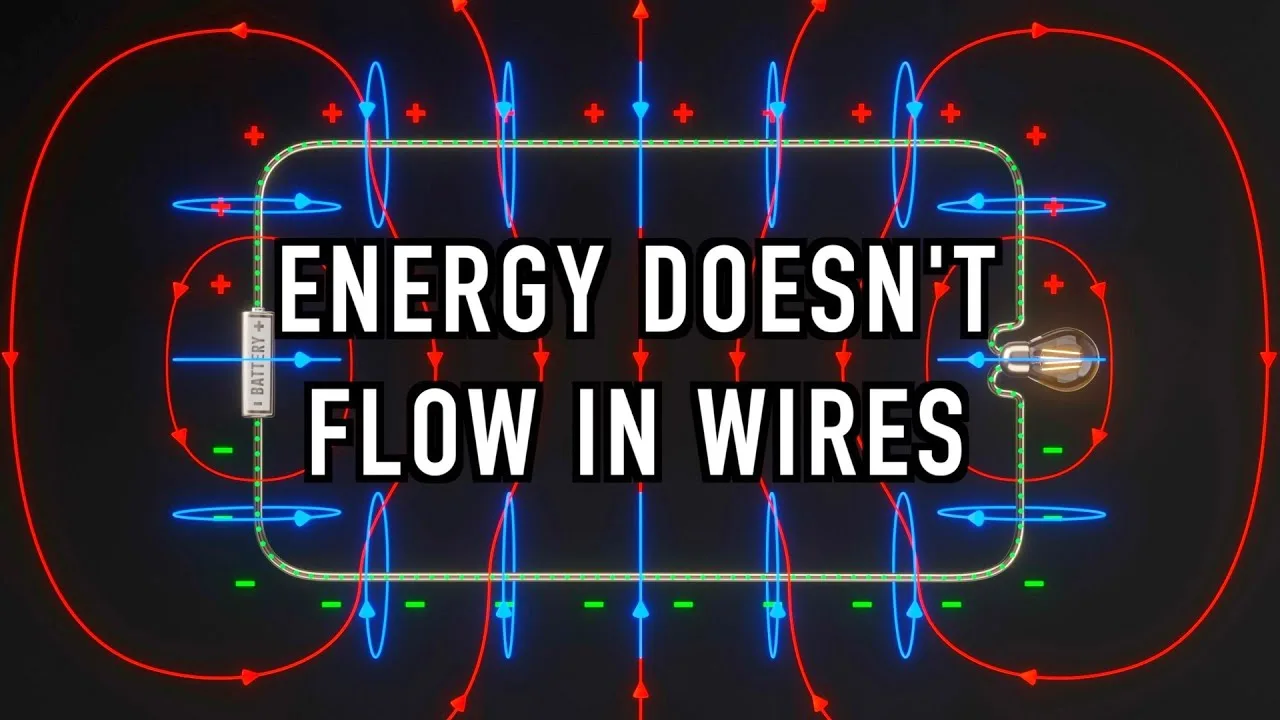
“The Biggest Misconception About Electricity”
Doesn't chase a trend — it corrects one, with sources, and turns the channel into the thing other creators end up citing rather than the other way around.
15 series-format youtube video ideas — the ones that only work as a habit
A series format isn’t one idea, it’s a repeatable container: a name, a fixed structure, and a release rhythm the audience learns to expect. It leans on Notifications from belled subscribers and Playlists more than any single upload does, and each new episode re-activates interest in the whole back catalog. The trade-off is real: a series lives or dies on cadence, and missing two weeks breaks the habit you spent months building. That’s also exactly where production speed becomes the bottleneck — turning an idea into a scripted, storyboarded, narrated 8-to-30-minute video every single week without redoing the whole pipeline by hand is what a connected workspace like Longform Studio is built for, rather than stitching together separate script, image, and voice tools each episode.
- Weekly recap or roundup — same day, same structure, aggregates what happened in your niche that week.
- Numbered ranked series, released monthly — a container format that never runs short of raw material.
- Head-to-head “versus” series — the same scoring format applied to a new matchup each episode.
- Deep-profile series on people or subjects — same format, new subject, every installment.
- Viewer-submission series — the audience supplies the raw material, you supply the recurring format.
- Progress-log series (“Building X, part 4”) — a serialized narrative that rewards people who watched earlier parts.
- Myth-a-week debunking slot — takes the authority-builder idea above and turns it into a recurring segment.
- “State of [niche]” quarterly check-in — a recurring authority piece tied to a fixed calendar.
- Interview series with a consistent format — guests change, the structure and intro stay recognizable.
- Challenge series with escalating stakes — each episode raises the difficulty from the last one.
- Reaction series to a recurring external event — piggybacks on someone else’s release calendar.
- Recurring audience Q&A segment — folds comments into a built-in content pipeline for the series.
- Anniversary or “one year later” retrospective — content that only gets more valuable with time.
- Collab-swap series with another creator — a recurring format that alternates channels on a schedule.
- Behind-the-numbers series — a recurring format walking through your own or the niche’s real data each episode.
“Hot Ones with [Guest]”
Same ten-wing structure, same escalating hot-sauce lineup, every single episode — the format is famous independent of who happens to be sitting in the chair that week.
Which goal should your next youtube video idea serve?
Before scripting anything, run it through four questions. The one that lands tells you which of the four lists above to pull from — and how to judge the result once it’s live.
Are you answering a question someone is already typing into YouTube or Google?
→ Search-traffic ideaYou can find the exact phrase in your channel's Top searches report, or in YouTube's autocomplete, before you script it.
Are you trying to interrupt someone who wasn't looking for your channel at all?
→ Suggested-feed ideaThe premise reads from the thumbnail alone, in about a second, with zero niche knowledge required.
Are you trying to turn a casual viewer into someone who trusts you enough to subscribe or buy?
→ Authority / trust builderSuccess looks like better comments and reply rate, not a bigger view count.
Are you trying to build a reason for someone to come back next week?
→ Series formatThe format survives a weak individual topic — the recurring slot itself has value.
Ideas are a system, not a spark
Practitioner consensus is shifting the same direction: the bottleneck for most channels isn’t creativity, it’s a collection habit — logging comment questions, competitor formats, and Reddit threads as they appear instead of staring at a blank doc once a week. The four-goal split above just gives that collection habit somewhere specific to file each idea.Idea type, traffic source, and shelf life compared
| Idea type | Primary traffic source | Evergreen lifespan | Best measured by |
|---|---|---|---|
| Search-traffic ideas | YouTube Search + Google's video carousel | Years — decays only if the query itself goes stale | Search impressions, average position |
| Suggested-feed ideas | Suggested videos + Browse features | Weeks to months — rides the algorithm's short memory | Click-through rate, % watched from suggested |
| Authority / trust builders | Browse (subscriptions) + Notifications | Indefinite relationship value, but views taper fast | Subscriber conversion, comment quality |
| Series formats | Notifications (belled subs) + Playlists | Compounds per episode while the cadence holds | Returning-viewer rate, playlist completion |
FAQ
How many YouTube video ideas should I have banked before I start?
Enough for four to six weeks at your planned upload rate — roughly 8 to 12 ideas for a weekly channel. Fewer than that and every idea feels precious, which makes it harder to kill a weak one before it eats a week of production.
Do YouTube video ideas need to match a specific keyword to rank in search?
Only if the idea is meant to earn search traffic. A suggested-feed idea, an authority piece, or a series episode can succeed with zero search volume behind it, because it's earning views through a different traffic source entirely. Forcing a keyword onto a stunt title usually weakens both the search match and the click-through rate.
What's the difference between a video idea and a channel idea?
A channel idea defines what the whole channel is about and who it's for — the decision you make once, before you upload anything. A video idea is a single concept within that channel, chosen to serve one specific goal like search traffic or suggested reach. This guide covers the video level; channel-level ideas are a separate decision.
Should video ideas be evergreen or trend-driven?
Most channels need both, in different proportions depending on the traffic source they're targeting. Evergreen search-traffic ideas build a compounding base that earns views for years; trend-driven suggested-feed ideas bring in bursts of new viewers who then discover that evergreen back catalog. A channel running only one type either grows slowly or grows in unpredictable spikes with nothing durable underneath.
Can one video idea work for both search and suggested traffic?
Occasionally, but it's rare and shouldn't be the plan. A tutorial optimized for a specific search phrase and a stunt optimized for an instant thumbnail hook are usually different videos, because the title and packaging that wins one traffic source often undersells the other. Pick the primary goal first, then package for it.
60 ideas picked. Now who scripts, storyboards, and voices the next one?
Longform Studio turns a single video idea into a source-backed script, a storyboard, consistent AI stills, and ElevenLabs narration with measured timing — the full 8-to-30-minute pipeline, not just another title generator.
Try Longform Studio$49/mo plus transparent per-dollar production costs. No markup on provider usage.