
YouTube Documentary Channels: How the Format Works
Inside YouTube documentary channels: the format, the economics, standout examples, and how solo creators produce them.
Key Takeaways
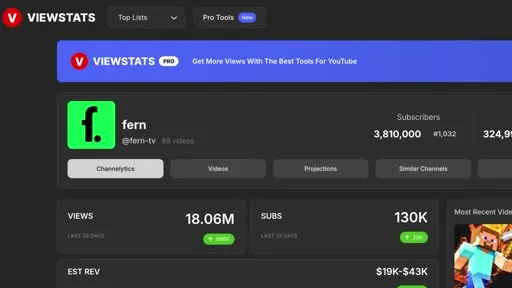
- One creator’s screen-recorded ViewStats estimate for Fern, a faceless documentary channel: $19,000–$43,000 in a single month, on 18.06 million views, at 3.81 million subscribers at the time.
- Healthy retention on a 15–30 minute documentary is 30–45%; past 30 minutes, 25–35% is normal — the format is judged on watch-time, not percentage.
- Documentary and education content runs a $10–$25 CPM (roughly $2.75–$6.88 RPM), against $2–$8 CPM for general entertainment.
- YPP is still 1,000 subscribers + 4,000 watch hours today — but new applicants from February 1, 2027 need 8,000 watch hours or 20 million Shorts views, double the current bar.
- The same nine structural habits show up whether the channel has a five-person crew or one person: from Johnny Harris at 7.9M subscribers to Fascinating Horror at 1.45M, solo and faceless.
A screen recording buried in a breakdown video shows the number plainly: Fern, a channel with no face, no name attached, and videos about the world’s biggest aquarium and a $2.1 billion McDonald’s ice-cream machine, pulled an estimated $19,000 to $43,000 in a single month on 18.06 million views. That is what a YouTube documentary channel looks like when the format is working: a research-heavy, narration-driven video that behaves nothing like a TV documentary in structure, but earns like one of YouTube’s most trusted categories for advertisers.
This isn’t a “best channels” listicle. It’s what the format actually is — how a YouTube documentary is built differently from a broadcast one, what the economics look like once you count the hours, and five real channels that show the whole range, from a five-person crew to one person and a microphone.
YouTube documentary channels, by the numbers
$19K–$43K
Est. monthly revenue, Fern (18.06M views/28 days)
30–45%
Healthy retention, 15–30 min documentary
$10–$25
CPM range for education/documentary content
8,000 hrs
New YPP watch-hour bar for applicants from Feb 2027
Sources: Federico Bolanos — via ViewStats, shown on-screen · Humble & Brag — YouTube Audience Retention Benchmarks 2026 · Lenos — YouTube CPM & RPM Rates 2026 · YouTube Blog — Partner Program updates for 2027
What counts as a YouTube documentary channel
The term gets used loosely, but a YouTube documentary channel is a specific thing: a channel built around research-backed, narration-driven long-form videos that explain or investigate a real subject — a disaster, a business, a war, a place — rather than react to it, review it, or vlog through it. The subject can be anything. What makes it a documentary is the posture: a narrator (on-camera or not) walking a viewer through a real story with sourced facts, not an opinion piece or a highlight reel.
That definition is wide enough to cover very different production models. Some channels run full crews and six-figure budgets; others are one person writing, narrating, and assembling everything themselves, faceless or not. Both count, and both compete for the same audience attention and the same advertiser dollar — which is part of why the format has become one of YouTube’s most crowded growth categories. If you’re weighing a documentary channel against other no-camera formats, the full comparison of faceless video styles lays out where documentary sits next to Reddit-story, true-crime, and listicle channels on effort and monetization ceiling.
Faceless doesn't mean cheap
Fern’s videos look expensive — stylized 3D visuals, tight motion graphics — but the channel runs faceless with an AI-assisted production pipeline, not a crew. The visual budget and the crew size are two separate decisions, and conflating them is the single most common mistake new documentary channels make.Anatomy of a YouTube documentary vs. a TV documentary
Anyone who grew up on cable documentaries and then tries to write a YouTube script the same way gets a video that loses half its audience in the first two minutes. The two formats share a subject (real events, sourced facts) and diverge on almost everything about how that subject gets delivered. A TV documentary can spend three minutes establishing mood before saying what it’s actually about, because the audience already committed by turning on the channel. A YouTube documentary channel doesn’t get that grace period — the title and thumbnail already made a promise, and the video has to start confirming it almost immediately or the viewer clicks away.
| Dimension | TV documentary | YouTube documentary channel |
|---|---|---|
| Runtime | 44–90+ min, often a series | 8–25 min; most successful channels sit under 20 |
| Hook | Minutes of mood-setting before the thesis | Title + thumbnail state the promise; the video has to start paying it off almost immediately |
| Structure signal | Act breaks implied by ad breaks or episode splits | Structure stated on-screen or in narration, so the viewer always knows what ride they're on |
| Narration | Third-person, formal, unseen narrator | First-person or conversational; often doubles as the channel's brand voice |
| Visual budget | Roughly constant per minute across the runtime | Concentrated where it earns retention; can lean on stills, motion graphics, and maps everywhere else |
| Life after release | Licensing windows, then largely gone | Stays in search and suggested indefinitely — a two-year-old upload can still be a top earner |
The video that makes this concrete is Federico Bolanos’s I Studied 100 YouTube Documentary Channels – Here's What I Learned — Federico Bolanos, a breakdown of what recurs across channels like Fern, Kurzgesagt, Magnates Media, and Neo. He compresses it into nine habits, and the specifics are worth watching because they explain the anatomy better than any single stat can.
Take Fern’s titling, which Bolanos uses as the example for what he calls a “compelling lens.” The same random subject — a piece of architecture, a fast-food kiosk, an ancient monument — never ships as “a video about the Mercedes Tower.” It ships as “the evil design of the Mercedes Tower,” or “how were the pyramids actually built?” — language that turns a flat topic into a question or an angle. That’s principle one. Principle two is the setup actually confirming that promise inside the first stretch of the video, and principle three is a stated structure — a list, a countdown, a chronology — announced early enough that the viewer knows what kind of video they’re watching before they decide whether to stay.
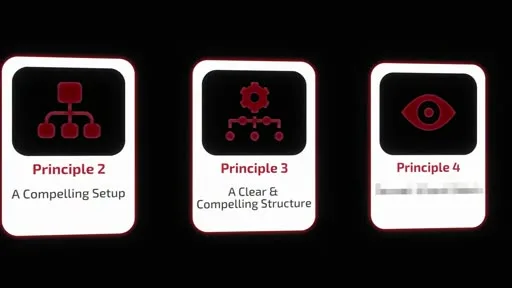
Principle six is the one that separates working scripts from overwritten ones: clear writing over clever writing. Bolanos points to a script he wrote for the channel Cypher about a failed bank heist — a story with a shootout, a car chase, over a thousand rounds fired — and notes the script itself reads plainly, not like an action novel. His reasoning: if the underlying story is already dramatic, the writing’s job is to not get in its way. Confusion, not boredom, is what he calls the number one reason a viewer clicks off a documentary mid-watch. That principle pairs with narration delivery — the mood a documentary needs comes from how a line is read, not how ornately it’s written, which is worth knowing before picking a narration voice that has to hold attention for 20 minutes.
The math behind one documentary
The format’s economics only make sense once you separate the hours from the payoff, because they land on very different timelines. A 20-minute documentary’s edit alone runs roughly 30 minutes to an hour of editing time per finished minute — call it 10–20 hours for a 20-minute video — and that’s before research and scripting, which on a sourced, fact-checked script commonly take as long or longer than the edit itself. The full research-to-cut breakdown walks through each phase; here’s what happens once the video is live.
Retention decides the algorithmic signal
RPM runs above the entertainment average
The video doesn't stop earning when the week does
Monetization is a separate gate from views
None of this pays out until the channel clears YPP. The bar is still 1,000 subscribers and 4,000 watch hours today, but every new applicant from February 1, 2027 needs 8,000 watch hours or 20 million Shorts views — every current and upcoming threshold is listed here. Current partners are grandfathered in; new channels started after that date are not.Five channels, one spectrum
These five span the format from full-crew and on-camera to solo and faceless, and every subscriber count below is pulled directly from each channel’s public metadata, not a third-party estimate.
Johnny Harris
7.9M subscribers — big-budget, on-camera
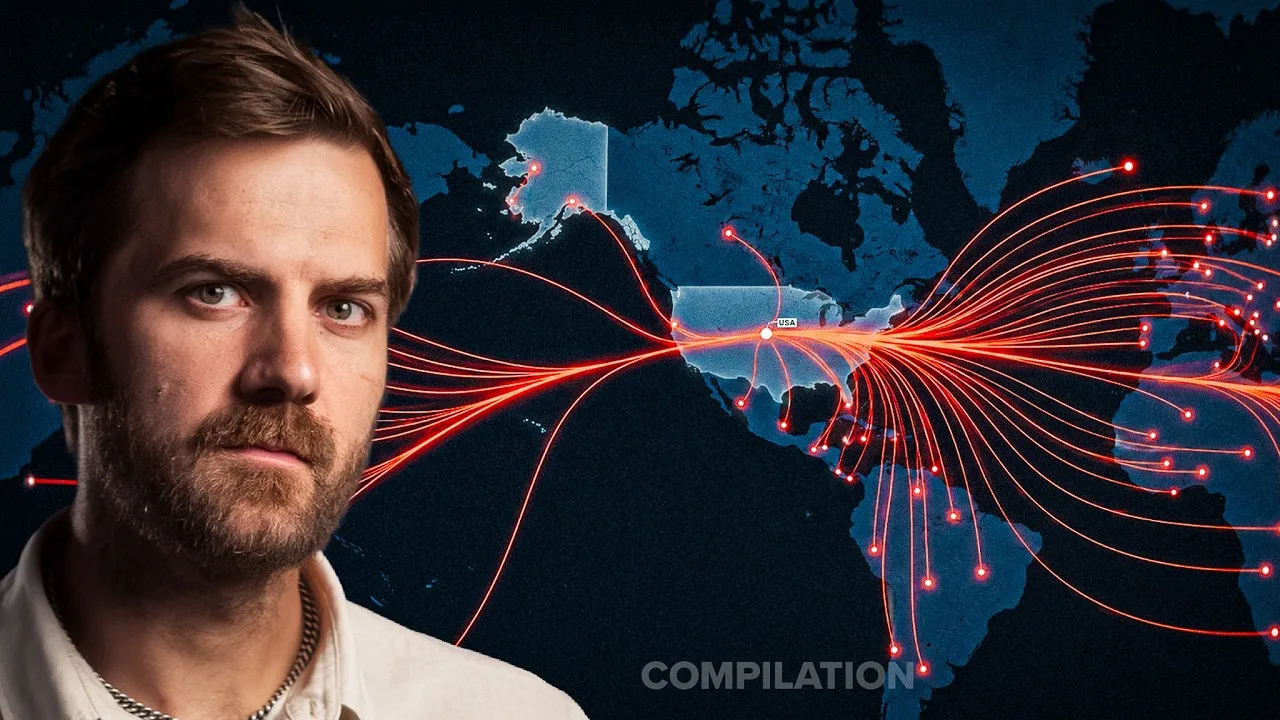
Ex-Vox correspondent turned independent creator; geopolitics and history told on-camera with location shoots, licensed archival, and a full editing team behind him.
Wendover Productions
4.9M subscribers — team-produced, faceless
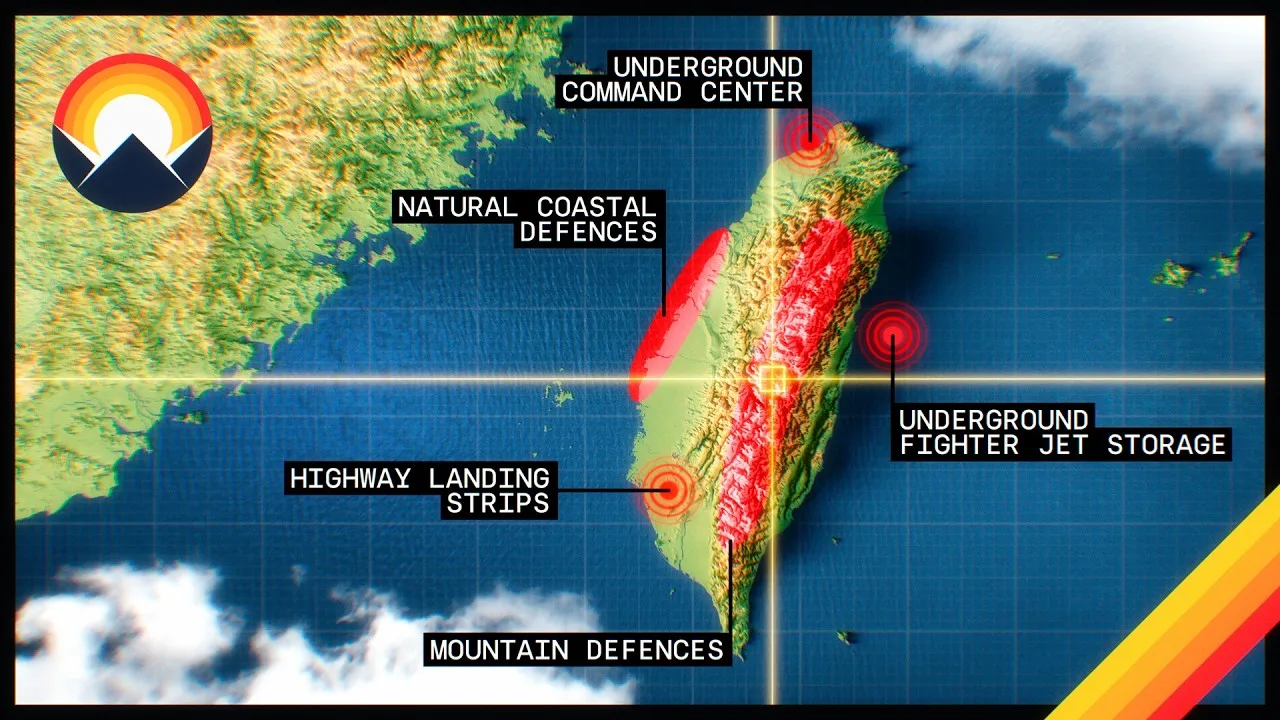
Business, infrastructure, and logistics explained through motion graphics and maps — run by Sam Denby with a small in-house research and animation team, no faces on screen.
Fern
5.2M subscribers — small team + AI-assisted, faceless
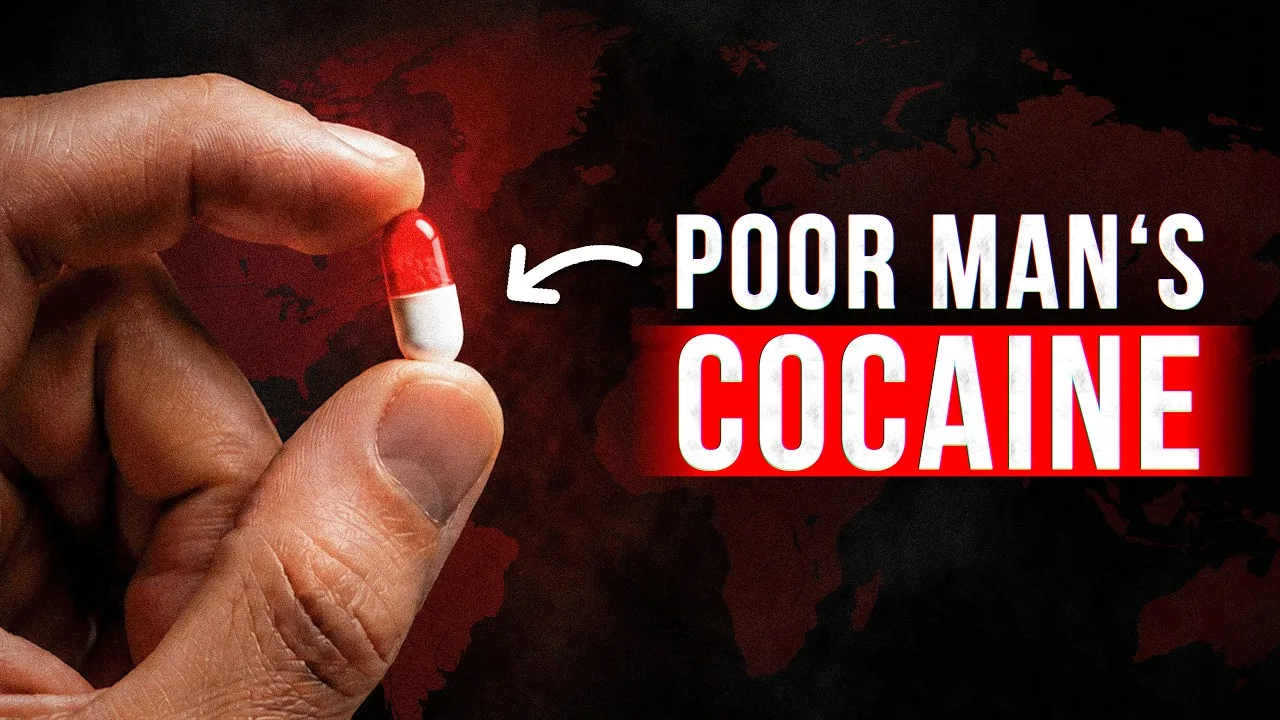
The channel this article’s embedded video uses as its main case study — stylized 3D visuals applied to whatever random subject fits that video’s angle, from an aquarium collapse to a McDonald’s ice-cream machine.
Mark Felton Productions
2.4M subscribers — solo historian

A trained historian narrating WWII operations over archival photographs and maps, largely solo — the closest thing on this list to a one-person, research-first documentary channel with a genuine subject-matter credential behind it.
Fascinating Horror
1.45M subscribers — solo, fully faceless
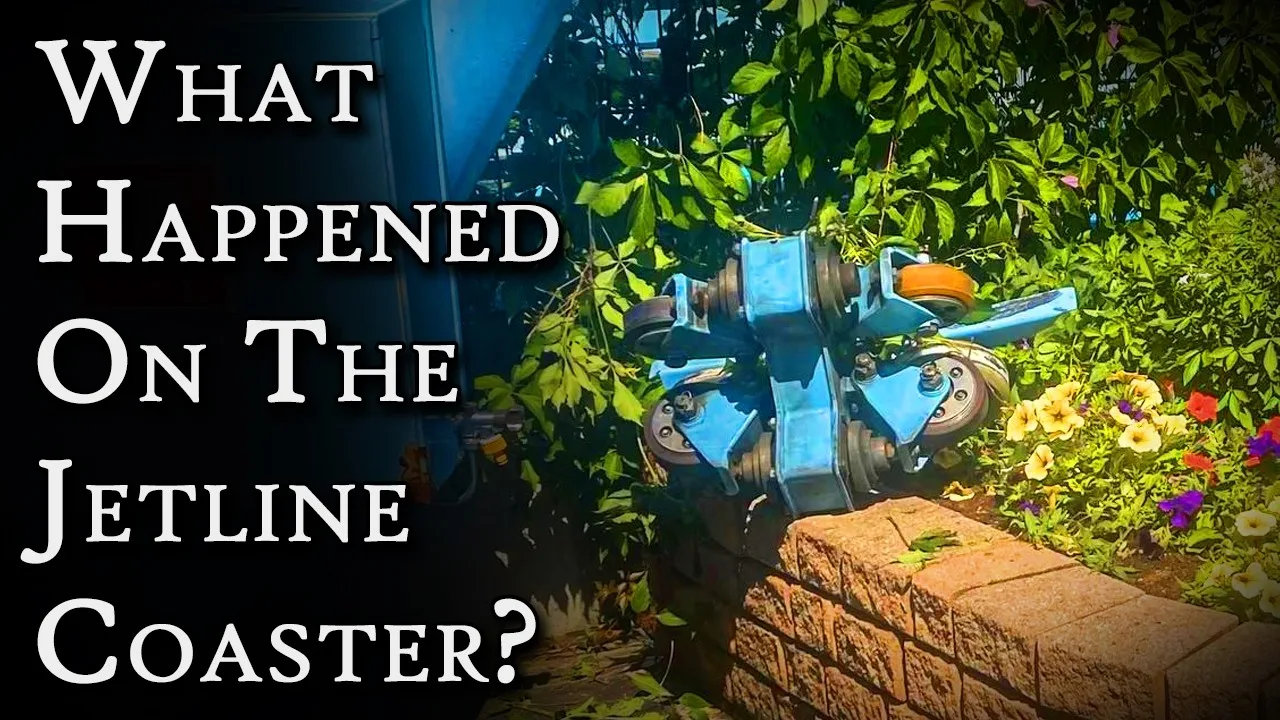
One person, one narrator voice, no visible face, no team credited on screen — disasters and accidents narrated over stills and archival footage. The smallest production model on this list and proof the format doesn’t require a studio, only research discipline and a structure the viewer can follow.
None of these five run the same production model, and none of them run the same visual style — but strip the visuals away and the same nine habits from the anatomy section above are underneath all five. That’s the actual finding of studying a hundred of these channels: the format isn’t the crew size or the render style. It’s the structure. If you’re trying to figure out how much of that structure can be produced with AI tooling rather than a five-person team, that’s a fair question with a real answer — see what an AI documentary generator actually has to solve to get close.
FAQ
What makes a channel count as a YouTube documentary channel?
A research-backed, narration-driven long-form video that explains or investigates a real subject with sourced facts — the posture matters more than the topic. It can be historical, business, disaster, or true-crime, on-camera or faceless, solo or crewed; what disqualifies a channel is reacting to or reviewing content rather than reporting on a real subject.
Do you need to show your face to run a documentary channel?
No. Wendover Productions, Fern, and Fascinating Horror all run faceless with narration over visuals, and all three have built channels in the millions of subscribers. Johnny Harris and Mark Felton show their faces and get comparable or larger reach — face is a stylistic choice for this format, not a requirement.
How much does a YouTube documentary channel make?
It varies enormously by views and audience geography, but the documentary/education category runs a $10–$25 CPM versus $2–$8 for general entertainment, which is why a mid-size channel like Fern can clear an estimated $19,000–$43,000 in a single month on 18 million views.
How long should a YouTube documentary video be?
Most successful channels sit under 20 minutes, with 8–25 minutes as the working range — long enough to earn mid-roll ad breaks and hit the retention benchmarks advertisers respond to, short enough to hold 30%+ retention through the end.
Is Johnny Harris a documentary channel or a video essay channel?
Functionally both — his videos are narration-driven, sourced investigations into real events, which is the same posture as a documentary channel, just delivered with an on-camera host and a video-essay pacing style rather than a fully faceless one.
A documentary format takes real production hours. Longform Studio cuts the ones that don't need a human.
Research, a sentence-level script, a storyboard, consistent visuals scene to scene, and a narrated cut with measured timing — the same structure Fern and Mark Felton run by hand, without the 40-plus hours of manual assembly.
Try Longform Studio$49/mo plus transparent per-dollar production costs — no markup on provider usage.