
How to Make a Documentary Without a Film Crew
How to make a documentary from research to final cut — structure, sourcing, narration, and visuals — with or without a camera.
A single four-second clip of old television footage can cost $7,000 to license. That number is real, it comes from a network rights request, and it’s the reason most guides to how to make a documentary skip straight past the part where you actually decide what goes on screen. Structure, sourcing, and narration get treated as afterthoughts to equipment. They shouldn’t be — they’re the entire craft, and they work exactly the same whether you’re taking a five-person crew to another country or building the whole thing alone from a laptop.
This is how to make a documentary film the way film schools teach it, adapted for the person who doesn’t have a crew: a thesis you can say in two sentences, a three-act structure that still works at fifteen minutes, sourcing discipline that keeps a legal letter out of your inbox, narration written to be heard instead of read, and an honest look at how to make a documentary without a camera at all — because for a growing share of solo creators, that’s the realistic route.
Key Takeaways
- The test a working documentary filmmaker uses before shooting a frame: “This is a story about X who wants Y and has to do Z.” If you can’t fill that in, you have a topic, not a story.
- The 25/50/25 act split — setup, confrontation, resolution — maps cleanly onto a 15-minute YouTube documentary, not just a 90-minute theatrical one.
- A single archival clip can run $7,000 to license from a network. Fair use is a legal argument, not a distribution plan — insurers and platforms expect a license or a written opinion, not a hope.
- Narration is written to be heard, not read: short sentences, active voice, and enough silence that the picture gets to do some of the work.
- Three routes get you to a finished documentary without a traditional shoot: filmed solo, archival/stock, or AI-generated visuals — and their costs differ by roughly 10–50x per finished minute.
How to make a documentary that isn’t just a topic
Luc Forsyth has spent over a decade shooting documentaries for outlets including National Geographic, and the scripting method he teaches on his channel starts before any camera comes out. Distill the film into one or two sentences, in the shape of a hero’s journey: this is a story about someone who wants something and has to do something difficult to get it. Star Wars, reduced that way, is a dirt farmer who learns he’s a Jedi and has to topple an empire to save his home. A documentary about an athlete is someone who wants to make the Olympics and has to overcome a specific, nameable obstacle to get there.
The test isn’t academic. If you can’t say what the film is about in two sentences, you probably can’t hold an audience’s attention for fifteen minutes either — and unless you’re making this entirely for yourself, you’ll need to sell the idea to collaborators, funders, or a festival before you sell it to a viewer.
This is a story about X who wants Y and has to do Z.
— Luc Forsyth, How to Write a Documentary Script in 3 Steps
Forsyth’s three steps, in short: define the thesis first; flesh it out into a rough narrative arc — inciting incident, escalating obstacles, likely outcome — before you shoot; then treat the script as a living document you rewrite every time reality contradicts your plan. He’s currently directing a feature with six main characters and estimates he’s sketched out and discarded more than fifty story beats along the way. That’s not wasted effort — it’s the actual job.
Documentary structure: the three acts, run by one person
Once the thesis holds up, the film needs a shape. The oldest and still most reliable one is the three-act structure borrowed from theatre: a setup that establishes the thesis and the subject, a confrontation where obstacles escalate and evidence accumulates, and a resolution where the thesis resolves — even if what it resolves into is uncertainty. The commonly cited proportion is roughly 25% setup, 50% confrontation, 25% resolution, and a midpoint turn — an unexpected setback or reveal — that forces a rethink of everything that follows (docfilmacademy.com).
That split isn’t a rule handed down for feature runtimes only. It holds at fifteen minutes just as well as at ninety — the proportions scale, the beats don’t disappear.
Documentary structure, mapped to a 15-minute runtime
- State the thesis in one or two sentences
- Introduce the character or subject
- Establish what they want
- Inciting incident pushes them into action
- Obstacles escalate, evidence accumulates
- The turn — a reversal that changes what's possible
- Climax — the outcome is decided
- Resolution — where the subject lands
- What the thesis turned out to mean
Research and sourcing discipline before you shoot
A documentary’s credibility is built on what backs each claim, not on production polish. Primary sources — the people who lived it, original documents, footage you shot or licensed yourself — carry weight that secondhand summaries don’t. Secondary and archival sources fill in what you couldn’t film yourself: history, scale, context. Both are legitimate. Conflating them isn’t.
Primary sources
What the people who lived it can tell you
- Interviews you conduct and can attribute
- Original documents, records, correspondence
- Footage or photos you hold the rights to
- Strongest legal and editorial footing
Best for: Character-driven and access-based stories — interviews, personal documents, footage you shot yourself.
Secondary & archival sources
Context you didn't witness firsthand
- Archival news footage, government/military film
- Licensed or public-domain stock
- Published research, prior reporting
- Needs a rights check before it's usable
Best for: History, scale, and events you weren't present for — the connective tissue between primary interviews.
If sources disagree, say so on screen
A documentary that quietly picks the version of events it likes loses the audience the moment a viewer finds a source that contradicts it. Naming the disagreement in the narration is a credibility move, not a weakness.Archival and stock rights: read this before you license anything
This is the part of “how to make a documentary without a camera” that catches the most first-time creators off guard. Archival footage splits into two very different categories: public-domain material you can use freely, and rights-managed material licensed for a specific distribution, territory, and term. The two look identical in a search result and are not remotely the same to use.
The Prelinger Archives — donated ephemeral film now held partly by the Library of Congress — is a genuinely useful free source: roughly 65% of its holdings are public domain, and more than 8,500 films are downloadable without restriction at the Internet Archive (en.wikipedia.org; archive.org). NASA’s own footage and pre-1929 U.S. productions fall in the same free category. None of that applies to a network news clip, a movie scene, or most footage you find through a general search.
Fair use is not a distribution plan
Using a historical clip to illustrate a point in your narration does not automatically qualify as fair use — it’s a case-by-case legal test, not a rule of thumb. One documented example: Fox requested $7,000 to license a four-second clip from a television show. Insurers, networks, and most platforms expect a license or an attorney’s written fair-use opinion before they’ll touch a cut that leans on someone else’s footage (documentary.org).If you’re not licensing archival material, a stock footage subscription is the other legitimate route, and the prices vary more than people expect: Storyblocks runs roughly $15–$40/month on annual billing depending on tier, while Pond5 subscriptions start around $199/month, with individual rights-managed clips available from about $39 each (archaiuscreative.com). That range is worth knowing before you commit to a footage-heavy cut — it’s a real recurring cost, not a one-time fee.
Writing narration that survives being spoken aloud
Documentary narration is written for the ear, and text that reads fine on a page often trips on the tongue. The craft differences are specific and testable: keep sentences short, favor active voice over passive, and read every line out loud before you record it. Compare “the armistice was reluctantly signed by the Germans” to “reluctantly, the Germans signed the armistice” — same fact, and the second version is the one a narrator can actually deliver with weight (newdocediting.com).
Two more rules that separate usable narration from a wall of text: don’t narrate what the image already shows — say what the picture can’t — and leave gaps. Not every second needs a sentence in it; a beat of silence over the right shot communicates more than another clause would. Practitioners on X trading notes on faceless-documentary scripts describe the same instinct from a different angle: open on the moment of maximum tension rather than a throat-clearing introduction, and let the picture and the pause do some of the persuading before the narration explains anything.
Filmed, archival, or AI-visual: three ways to make a documentary without a crew
Once the script exists, there are three real routes to what appears on screen, and they cost genuinely different amounts of money and time. None of them is more “legitimate” than the others — a documentary is defined by its research and its structure, not by which of these three you picked.
What the three visual routes actually cost
$7,000
One documented fee for a 4-second archival TV clip
$15–$199/mo
Stock footage subscription range, Storyblocks to Pond5
$49/mo
Longform Studio's AI-visual pipeline, plus per-scene cost
65%
Share of the Prelinger Archives that's public domain
Sources: documentary.org · archaiuscreative.com
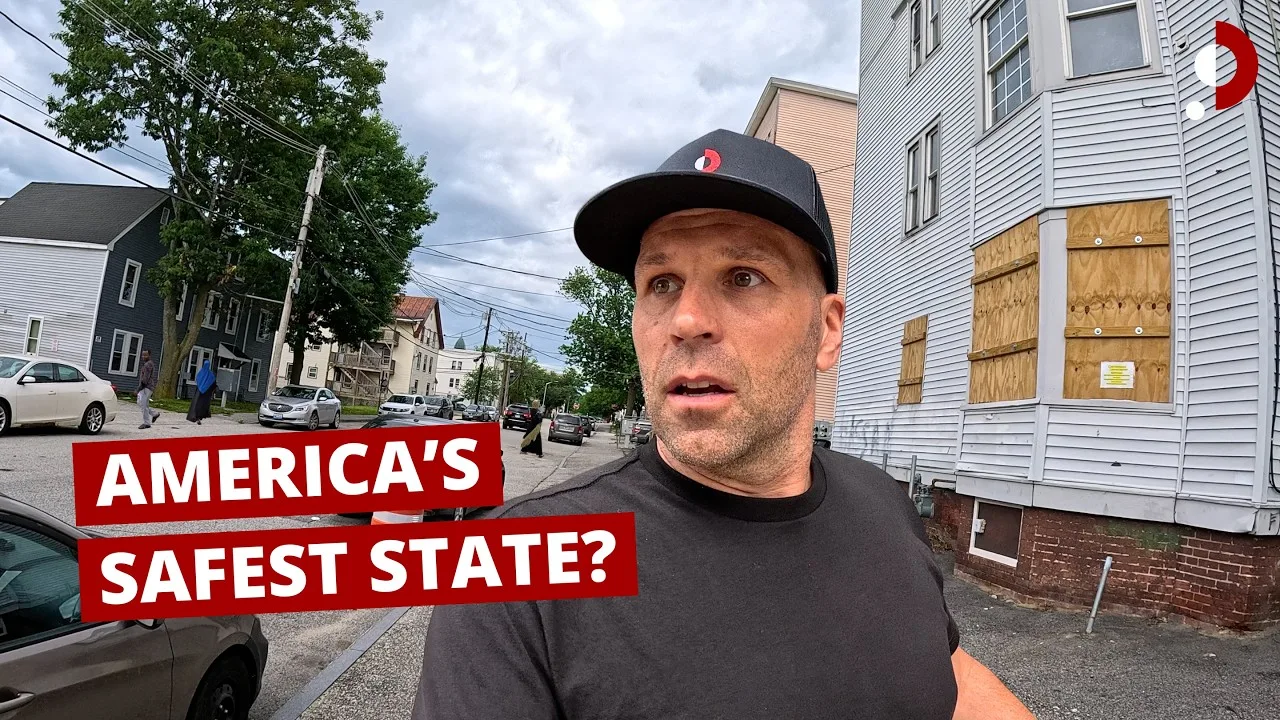
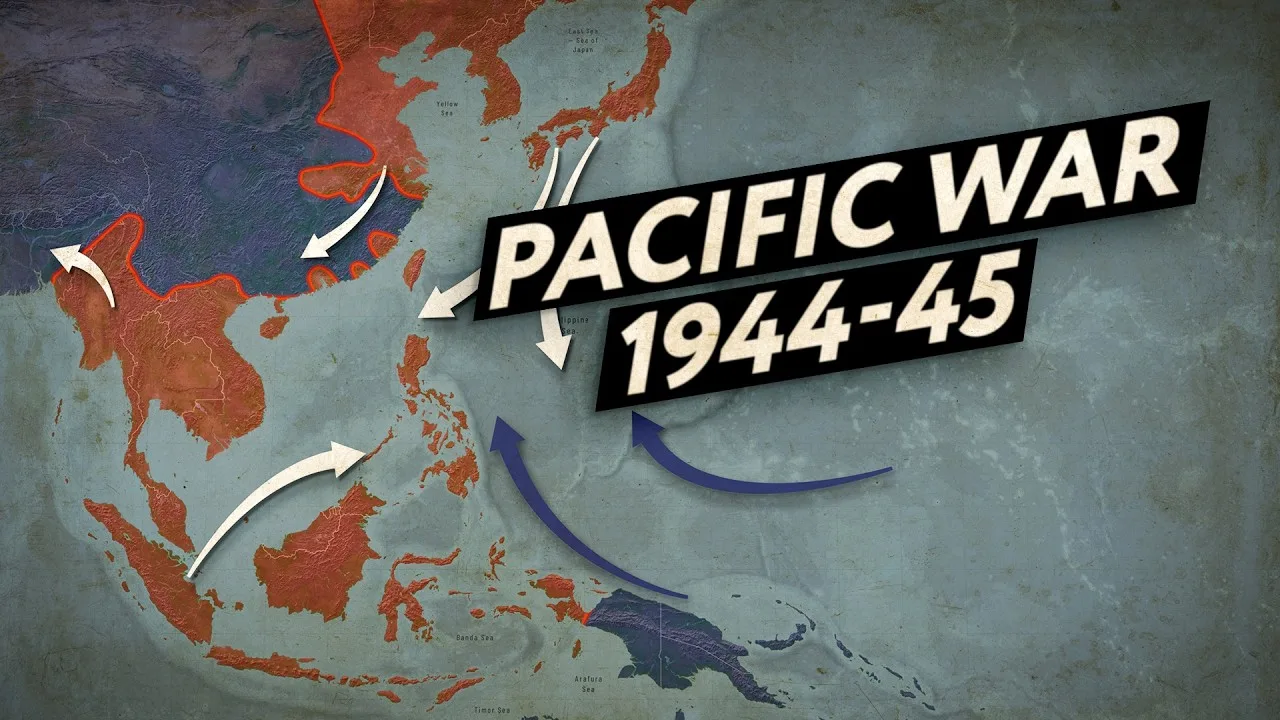
Peter Santenello (~4.28M subscribers) is a working example of the filmed route run by one person: he travels alone, shoots his own interviews on the street, and edits the result into long-form, character-driven documentaries with no crew and no second camera operator. Real Time History (~740K subscribers) runs the archival route at a high standard — its WWII and WWI series are built almost entirely from licensed and public-domain footage plus original maps, narrated over research that took the team's own account longer to produce than the footage did.
The third route skips filming and licensing entirely: generate the visuals to match the narration. That's the premise behind Longform Studio — research, a sentence-level script, AI stills with a consistent character across scenes, and ElevenLabs narration timed to the visuals, assembled into an 8–30 minute render without a camera, a stock subscription, or a rights clearance chain. It's the deepest current option for AI documentary generation specifically if you want the tool landscape rather than the workflow.
| Route | Upfront cost | Cost per finished minute | Rights risk | Best for |
|---|---|---|---|---|
| Filmed, solo | $0–$1,500 (camera/audio, if you don't own any) | Your time only | Low — you own what you shoot | Access-based, character-driven stories |
| Archival & stock | $15–$199/mo subscription, or $39+ per clip | $0 (public domain) to hundreds per clip | High — PD vs. rights-managed isn't obvious | History and event-driven documentaries |
| AI-visual | $49/mo tool subscription | Cents per generated scene | Low — generated, not licensed | Solo creators without a shoot or footage budget |
This is exactly the ground how the YouTube documentary format actually works covers in more depth — channel economics, standout examples across all three routes, and what a documentary channel's upload cadence looks like once one is running. And if documentary is one of several formats you're weighing, the general long-form production breakdown covers the hour and dollar cost of narrated YouTube video across every genre, not just this one.
FAQ
Do I need a full script before I start filming a documentary?
Not a word-for-word script — a thesis you can state in two sentences and a rough outline of the likely beats (inciting incident, escalating obstacles, probable outcome). Treat it as a living document you rewrite every time what actually happens contradicts the plan. If you're not filming anything and going the AI-visual or archival route instead, the script becomes the actual production document rather than a guide, so it's worth writing in full before sourcing visuals.
How long should a documentary be for YouTube?
There's no fixed rule, but single-topic history, true-crime, and investigative documentaries commonly run 15–25 minutes — long enough to develop a full three-act structure, short enough to hold attention without a broadcaster's intermission built in. Longer runs (30+ minutes) work when the thesis genuinely needs that much evidence.
Can I legally use old news footage or TV clips in my documentary?
Not automatically. Fair use is a case-by-case legal test based on transformative use and how much of the material you take, not a blanket permission for commentary or education. Rights-managed footage needs a license from the archive or network that holds it — fees are negotiable but real, and a widely-cited example is a network charging $7,000 for a four-second clip. Public-domain sources like the Prelinger Archives sidestep the issue entirely.
Where can I get archival footage for free?
The Prelinger Archives, hosted at the Internet Archive, is about 65% public domain with over 8,500 films available for unrestricted download. NASA's own footage and U.S. government productions are public domain by default. Anything you find outside those categories — a movie clip, a news broadcast, most footage from a general search — should be assumed rights-managed until proven otherwise.
Is an AI-generated documentary still a documentary?
The genre is defined by its research, sourcing, and structure — thesis, evidence, a resolved argument — not by whether a camera was involved. An AI-visual documentary that skips real research isn't a documentary regardless of how it looks; one that's built on verified sources and disclosed methodology is, even if every frame was generated rather than filmed.
The structure is the hard part. We handle the rest.
Everything above — thesis, act structure, sourcing discipline — still has to end up on screen somehow. Longform Studio handles the visual route without a camera, a stock footage bill, or a rights clearance chain: sourced research, a sentence-level script editor, consistent AI characters across scenes, and ElevenLabs narration timed to match, rendered as an 8–30 minute video.
Try Longform Studio$49/month plus the actual dollar cost of what you generate — no per-clip licensing to track.