
How to Start YouTube Automation (No $997 Course Required)
How to start YouTube automation in 30 days without a paid course — niche research, scripting, production, and publishing, step by step.
Caleb Boxx's Automate Channels course runs $597 to join and $7,800–$20,000 to extend the membership. Razvan Paraschiv's Grow Channels is $6,000 flat. Dave Nick's Automation Systems is $995, or $1,490 if you want done-for-you add-ons. None of these prices buy you a secret — they buy you a checklist, a Discord, and someone answering questions you could answer yourself in a week of doing the work. This article is that checklist, free, laid out as 30 days you can actually follow.
If you already know what YouTube automation is and you're deciding whether it's worth doing, read is YouTube automation legit first. This piece assumes you've made that call and just want the steps.
Key Takeaways
- The paid-course market runs $597 to $20,000 — this article ports the same 30-day sequence for free.
- Automation channels die from running out of ideas around video 15, not from a bad first video — build a research pipeline in week 1, before writing a single script.
- A hired-editor build of this exact plan took four times the expected timeline: “we expected it to take a week, it took four” to ship video one.
- The one thing a course sells that you can't replicate for free is confidence — everything else (niche selection, scripting structure, production workflow) is publicly researchable.
- By day 30 you should have 4–8 published videos, a documented process, and real retention/CTR data — further than most people get with an unopened course.
What YouTube automation courses charge, 2026
$597
To join Automate Channels
$7.8K–$20K
To extend that membership
$6,000
Grow Channels, flat fee
$995–$1,490
Automation Systems, with add-ons
Week 1: Niche and Research System (Days 1–7)
The single biggest predictor of whether an automation channel survives past month three is whether the niche was chosen with numbers or with a vibe. Do this in order.
Week 1 at a glance
Days 1–7
- Days 1–2: pick a niche using three filters, not one
- Days 3–5: build a repeatable research system
- Days 6–7: define format and length before writing
Best for: Getting the niche and research pipeline right before a single script exists.
Days 1–2: pick a niche using three filters, not one.
- Evergreen demand. Search the topic on Google Trends and confirm it hasn't been flat or declining for two years. “AI news” trends up; “NFT explainers” trends down. Pick up.
- Existing ad-supported channels. If nobody is making money in a niche, there's usually a reason — thin CPM, no audience, or a platform that suppresses it. Find 5 channels already publishing in your candidate niche with 20,000+ subscribers and videos posted in the last 30 days. If you can't find five, the niche is too small or already dead.
- A gap you can actually fill. Watch 10 recent videos from those 5 channels. Note what's repetitive, outdated, or badly sourced. Your first 10 scripts should fix one of those things specifically — better sourcing, a narrower sub-niche, a format nobody else is doing (explainer vs. story vs. ranked list).
For a working list of niches that clear all three filters as of mid-2026, see best faceless YouTube niches.
Days 3–5: build a research system, not a one-off research session.
Automation channels die from running out of ideas around video 15, not from bad first videos. Set up a repeatable pipeline before you write anything:
- A running spreadsheet of video ideas, each with: working title, 2–3 source links, estimated search/interest signal, and status (idea / researched / scripted / published).
- A standing rule for how many sources back a factual claim — 2 minimum for anything stated as fact, more for anything contested. This is the difference between a channel that survives a community-guidelines review and one that gets a strike for misinformation.
- A weekly slot (not “whenever I feel like it”) to add 5–10 new ideas so the pipeline never runs dry.
Days 6–7: define format and length before you write a single script.
Long-form automation channels that hold retention run 8–20 minutes with a clear structure: hook in the first 15 seconds, a promise of what the video covers, 3–6 body sections, a close that doesn't just fade out. Write your format as a one-page template — not a philosophy, a literal outline you'll paste into every script doc. If you're unsure how long-form differs from Shorts-style automation in practice, long-form vs. short-form content covers the retention and monetization math.
Week 2: First Script and Production (Days 8–14)
Week 2 at a glance
Days 8–14
- Days 8–10: write and edit the first script
- Days 11–12: lock the visual language
- Day 13: pick a TTS voice and commit to it
- Day 14: edit and render video 1
Best for: Producing a complete, publishable first video — not a perfect one.
Days 8–10: write and edit the first script.
Use your template from week 1. Draft fast, then edit on paper (or in a doc, sentence by sentence) for two things: does every sentence earn its place, and is every factual claim traceable to a source you pulled in week 1. A 12-minute video is roughly 1,600–2,000 spoken words at a natural pace — write to that, don't pad.
If you're assembling this from ChatGPT output plus a separate outline doc, the friction is real: you lose track of which sentence came from which source, and revising one paragraph means re-reading the whole thing. This is the exact gap Longform Studio is built for — source-backed script writing with sentence-level editing in one place, so a fact-check note lands on the sentence it belongs to instead of a comment thread you'll forget to resolve.
Days 11–12: visuals.
Faceless doesn't mean generic stock footage. Decide your visual language now: consistent AI-generated character style, editorial illustration, stock + motion graphics, or archival footage with narration. Whatever you pick, define it once — a style guide of 3–5 reference images and a one-line prompt formula — so video 2 doesn't look like it came from a different channel than video 1. Consistency is what makes a channel look like a channel and not a pile of one-off uploads.
Day 13: voice.
Lock the voice before video 2
Pick a TTS voice (ElevenLabs and similar tools are the current standard for automation-grade narration) and commit to it for at least 10 videos. Switching voices early kills channel identity before it forms. Record or generate the full narration for video 1 and check timing against your script — automation channels that skip this step end up with voiceover that outruns or lags the visuals in the edit.Day 14: edit and render video 1.
Sync narration to visuals, add captions if your niche uses them, export. Don't chase a perfect first video — chase a complete one. The goal of week 2 is a finished, publishable file, not a masterpiece.
For a full breakdown of which tool handles which stage — script, image generation, voice, render — see AI tools for YouTube automation.
If day 8–14 feels tight, that's honest — and it's worth seeing what happens when the same production step slips. Darragh Lucey documented 200 days of running a faceless automation channel with a partner and a hired editor, no course, numbers included. Their own week-2 equivalent didn't survive contact with reality — a hired editor and a script hand-off add coordination time a solo 14-day plan doesn't have. The channel still worked — two early videos got monetized within 10 days and pulled in millions of views — but a second channel they built afterward spent a month and €350 on a prototype with a freelance animator who then vanished with the assets, forcing a restart from zero. By the video's own tally they'd spent $7,000–$10,000 and made back less than a fifth of it. None of that is a reason to skip week 2 — it's the reason to keep it solo and scoped the way this plan does, instead of hiring out the first video before you've made one yourself.
We expected it to take a week, it took four — to ship the first video.
— Darragh Lucey, I tried Faceless YouTube Automation for 200 days
Week 3: Publish and Iterate (Days 15–21)
Week 3 at a glance
Days 15–21
- Day 15: publish video 1 with real metadata
- Days 16–19: produce and publish videos 2–4
- Days 20–21: read retention and CTR data
Best for: Getting through the grind of videos 2–4 without quietly quitting.
Day 15: publish video 1 with real metadata.
Title under 70 characters with the actual topic near the front, a description that front-loads what the video covers (not just tags), a custom thumbnail with 3–5 words max and high contrast. Don't publish and walk away — check YouTube Studio's traffic-source data 48 hours later.
Templated uploads are what gets demonetized
This is also where YouTube's channel monetization policies start to matter in practice: mass-produced, templated uploads are exactly what the inauthentic-content standard demonetizes, so the human editing pass in your pipeline isn't optional.Days 16–19: produce and publish videos 2–4.
Same pipeline, faster each time because the template, style guide, and voice are already locked. This is where most people quietly quit — the first video was exciting, the fourth feels like a grind. It's supposed to. Consistency during the boring middle is the actual skill being tested.
Days 20–21: read the data, not your gut.
Open YouTube Studio and look at three numbers per video: average view duration (retention), click-through rate on impressions, and where viewers dropped off inside the video. If retention falls off a cliff at 0:45, your hook isn't working — fix that in video 5, don't just hope video 6 is better. If CTR is under 2–3%, the thumbnail or title is the problem, not the content.
Week 4: Systematize (Days 22–30)
Week 4 at a glance
Days 22–30
- Days 22–24: turn what worked into a repeatable SOP
- Days 25–27: decide what to delegate, if anything
- Days 28–30: set a cadence you can sustain for a year
Best for: Turning one good video into a repeatable operation, not a one-time win.
Days 22–24: turn what worked into a repeatable process.
Write down, in plain steps, exactly what you did for the video that performed best: how the idea was sourced, how the script was structured, what the thumbnail looked like. This becomes your actual SOP — the thing a $6,000 course sells you a template for, except it's built from your own channel's real data instead of someone else's niche.
Days 25–27: decide what to delegate, if anything.
At this point you know your own bottleneck. If it's visuals, look at outsourcing thumbnail design or image generation. If it's research, consider a part-time researcher on a per-video rate. Don't outsource the thing you haven't done yourself yet — you can't brief or QA a task you've never performed.
Days 28–30: set a publishing cadence you can sustain for a year, not a month.
One video a week, reliably, beats three a week for a month followed by silence. YouTube's algorithm and audience both reward consistency over volume. Pick a cadence your actual production time supports, write it down, and hold it.
By day 30 you should have 4–8 published videos, a documented process, and real retention/CTR data telling you what to fix next. That's further than most people get with a $997 course sitting unopened in their inbox.
The monetization bar is rising, not holding still
As of mid-2026, YouTube's standard Partner Program threshold is 1,000 subscribers and 4,000 valid public watch hours in the past 12 months (or 1,000 subscribers and 10 million Shorts views in 90 days). YouTube has announced these thresholds will roughly double — to 8,000 watch hours or 20 million Shorts views — for eligibility starting February 2027, so plan your first 30–90 days assuming the bar keeps rising, not staying flat.Should You Buy a YouTube Automation Course?
Here's the honest trade, itemized rather than argued in the abstract.
| What a course actually provides | What's free |
|---|---|
| A structured order to do things in | This article, plus how to start a faceless YouTube channel |
| Niche and format templates | 30 minutes studying 5 successful channels in your niche |
| A Discord/community for accountability | A public accountability thread, a friend, or just a spreadsheet you check daily |
| “Done-for-you” services (scripting, editing) at $7,800–$20,000+ | Freelancers hired directly at market rate, or software that does the same job for a subscription |
| Vetted vendor contacts | 20 minutes on Upwork or Fiverr reading reviews |
| Confidence that you're “doing it right” | Nothing free replaces this — it's the actual product being sold |
That last row is the real reason courses sell. Buying a $597–$6,000 course outsources the anxiety of not knowing if you're wasting your time, not the actual knowledge. If that peace of mind is worth the price to you and you have the money to spare without it being a financial strain, it's a legitimate purchase — plenty of course buyers do fine. But nothing in any of these courses' public curricula is unavailable elsewhere for free: niche selection is public search data, scripting structure is observable in any successful channel's videos, and production workflow is a series of tool choices, not proprietary knowledge. The “done-for-you” tiers are the one place courses provide something you genuinely can't replicate alone — but at $7,800+ you're paying for labor, not a course.
The pattern worth watching for: courses that emphasize community and “proven systems” over teaching you to read your own analytics are selling motivation, not method. If a course's sales page spends more time on the founder's income screenshots than on niche research methodology, that's a signal.
YouTube Automation Examples Worth Studying
Three channels, three scales, three formats — each one systemized in a way worth stealing a piece of for week 4 above.
Bright Side (~44M subscribers)

Runs on a templated fact/list format — consistent narration style, consistent visual language (illustrated 2D animation), and a publishing cadence that never breaks. What it does well: the format is so locked-down that a new script slots into the existing production line without redesigning anything. That's the systemization week 4 above is aiming you toward.
WatchMojo (~26M subscribers)
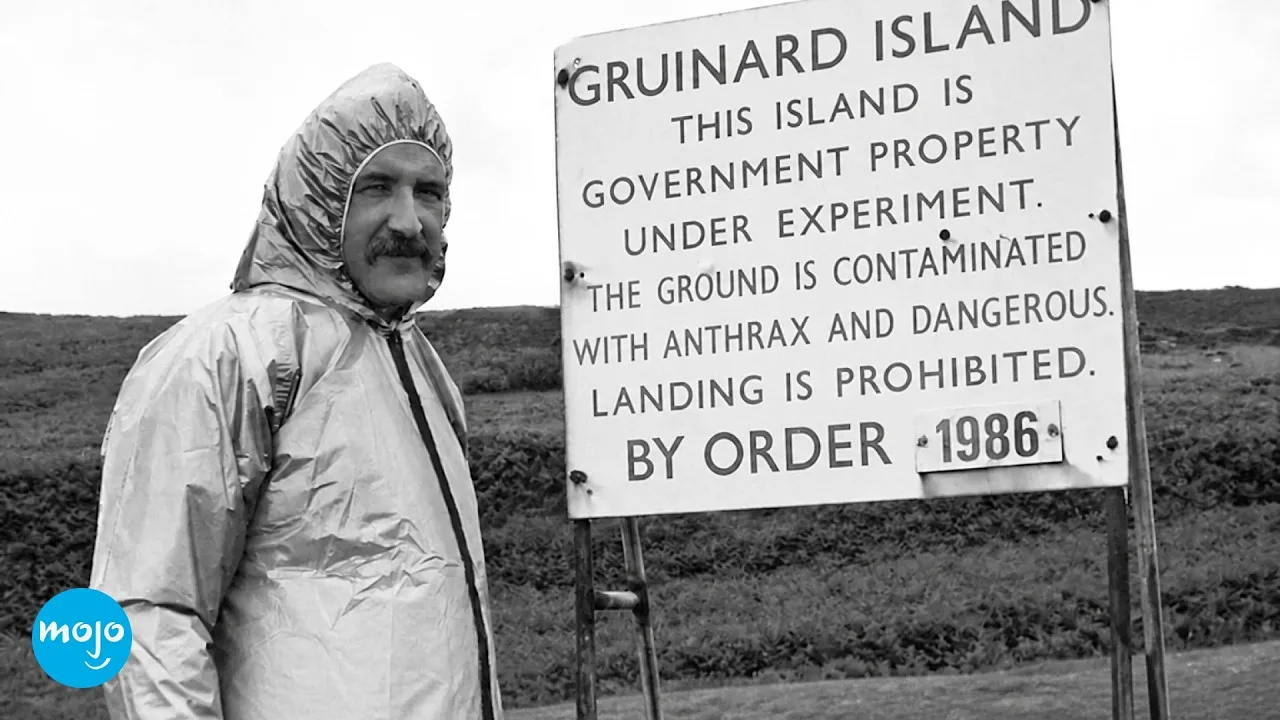
Built its scale on a single repeatable format — the ranked countdown list — applied across dozens of sub-niches (movies, games, celebrities, history). What it does well: format repetition lets them upload multiple times a day without each video requiring a fresh creative decision. For a solo operator this is the lesson to steal at small scale, not the volume — one tightly-defined format you can execute fast beats reinventing structure every video.
Fascinating Horror (~1.4M subscribers)

The smaller-scale case worth studying instead of a generic “true-crime channel” — narrated disaster and true-crime stories over stock and archival footage, one story per video, no host, no face. What it does well: it picked a niche narrow enough (real-world disaster narratives, one story at a time) that a small team could become the most consistent voice in it, which is a more realistic target for month one than out-producing Bright Side. The niche-breakdown roundup at faceless YouTube channel ideas covers more channels at this tier.
FAQ
How much does it cost to start YouTube automation?
Software costs (script tool, image generation, voice narration, rendering) typically run $50–$300/month depending on video volume and quality settings, before any paid course or outsourced labor. You don't need a $997+ course to start — the week-by-week plan above is a free path.
Do I need to buy a YouTube automation course to succeed?
No. Everything a $597–$6,000 course teaches — niche selection, scripting structure, production workflow, publishing cadence — is publicly researchable, as shown in the course cost-benefit table above. Courses sell structure, accountability, and (at the highest tiers) outsourced labor, not exclusive knowledge.
How many subscribers and watch hours do I need to monetize?
As of mid-2026, YouTube's standard Partner Program threshold is 1,000 subscribers and 4,000 valid public watch hours in the past 12 months (or 1,000 subscribers and 10 million Shorts views in 90 days). YouTube has announced these thresholds will roughly double — to 8,000 watch hours or 20 million Shorts views — for eligibility starting February 2027, so plan your first 30–90 days assuming the bar keeps rising, not staying flat.
How long does it take to grow a YouTube automation channel?
There's no fixed timeline, but a realistic pattern is 3–6 months of consistent weekly uploads before watch-hour thresholds for monetization are in reach, and 6–12 months before a channel has enough data to reliably optimize. Channels that publish inconsistently after an initial burst take meaningfully longer, because the algorithm has less recent signal to work with.
What tools do I need for YouTube automation?
At minimum: a script-writing workflow with source tracking, an image or visual-generation tool with a consistent style, a text-to-speech voice tool, and a video assembly/render step. See the AI tools for YouTube automation breakdown above for what each stage requires and where tools overlap or replace each other.
Skip the $997 course. Keep the 30-day plan.
The steps above are free. What isn't free is the time lost stitching five disconnected tools into one pipeline — that's the part Longform Studio replaces: source-backed research, sentence-level script editing, consistent AI storyboard images, ElevenLabs narration, and cloud rendering, in one workspace instead of a $597–$20,000 course tier.
Try Longform StudioNo membership levels, no $7,800 done-for-you upsell.